The CAMI Labex has fostered an ambitious, federative research program designed to structure and accelerate excellence in computer-assisted medical interventions. Its scientific achievements are reflected in a set of flagship integrated projects, supported by substantial funding to drive interdisciplinary research toward clinical translation, alongside shared collaborative tools that strengthened methodological convergence across laboratories.
6 integrated projects
Highlights on 3 recent research project
57 postdocs / PhDs
2 collaborative tools supported
13 organized CAMI Days
CAMI also promoted emerging research directions through recent projects illustrated by demonstrator videos, and played a key role in training the next generation of researchers, notably through the recruitment of postdoctoral fellows and a strong program of co-supervised PhD theses bridging multiple institutions.
These activities were sustained by a vibrant scientific community, brought together through thirteen annual CAMI Days meetings that enabled regular exchange, dissemination of results, and cross-fertilization of ideas. Altogether, this collective effort has resulted in a substantial body of high-quality publications, underscoring the Labex’s role as a catalyst for collaborative, high-impact research.
INTEGRATED PROJECTS
The objective of the “Integrated Projects” was to target well-focused domains on which short-term and mid-terms results in terms of medical and industrial applications were expected.
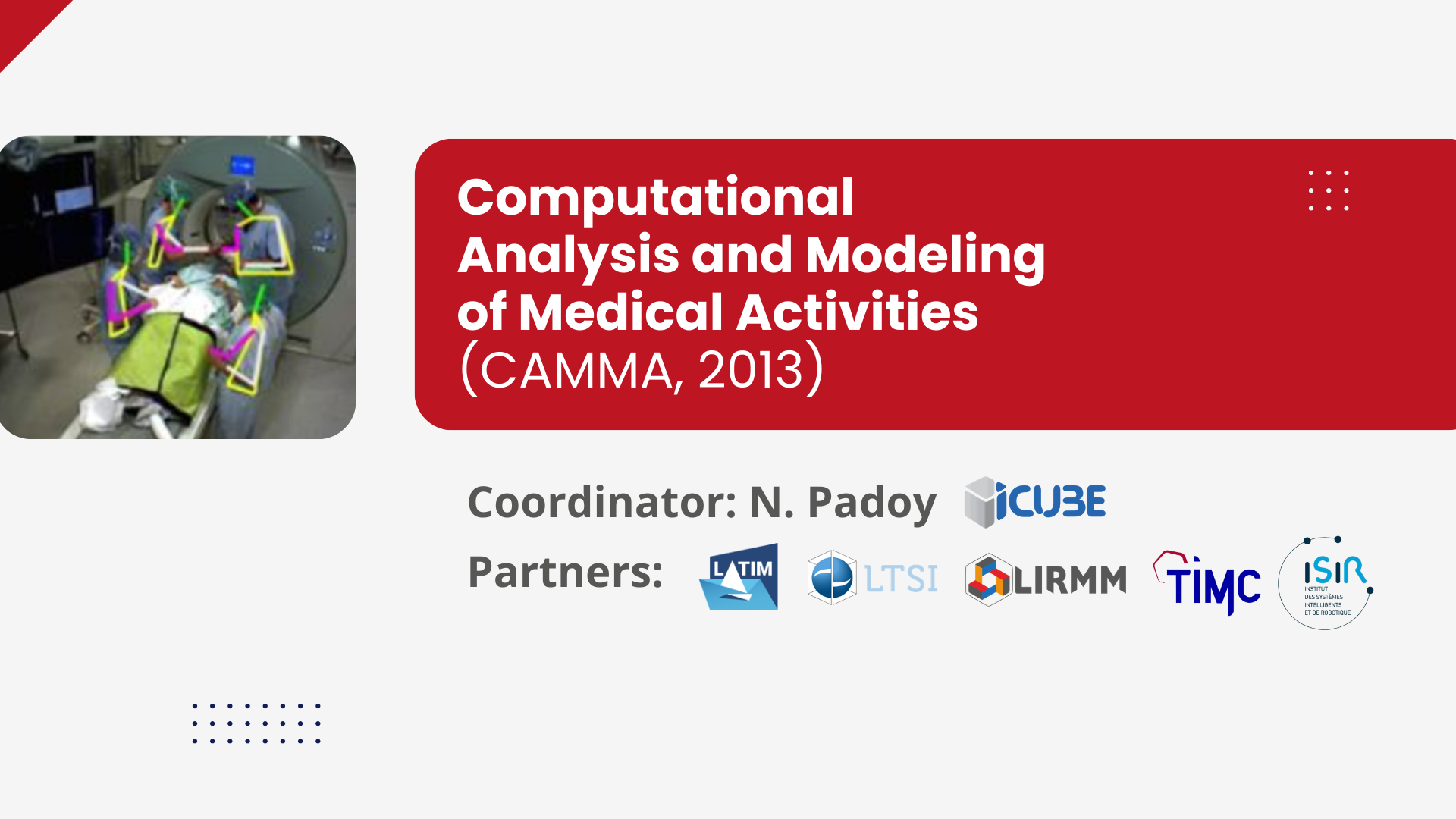
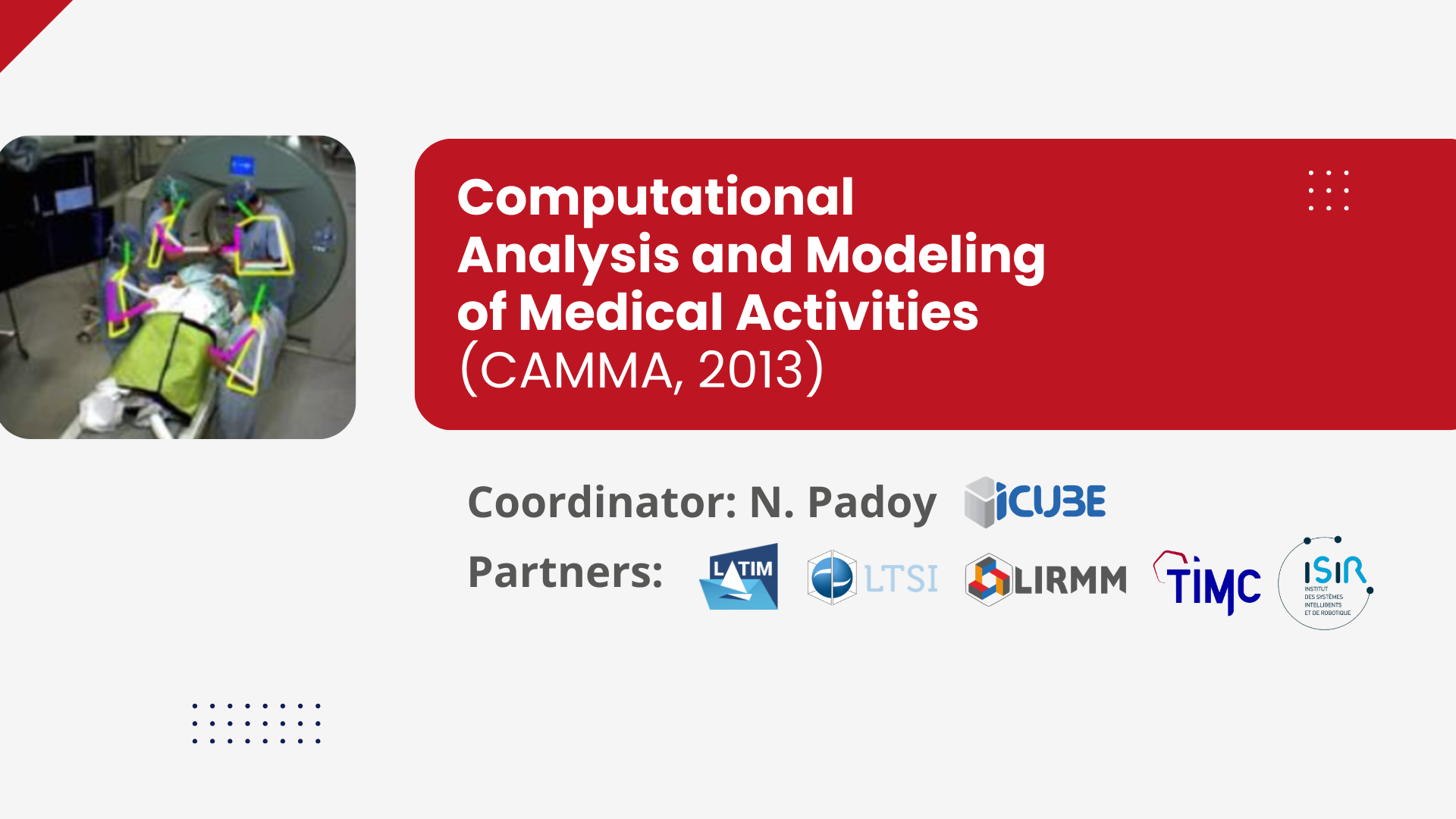
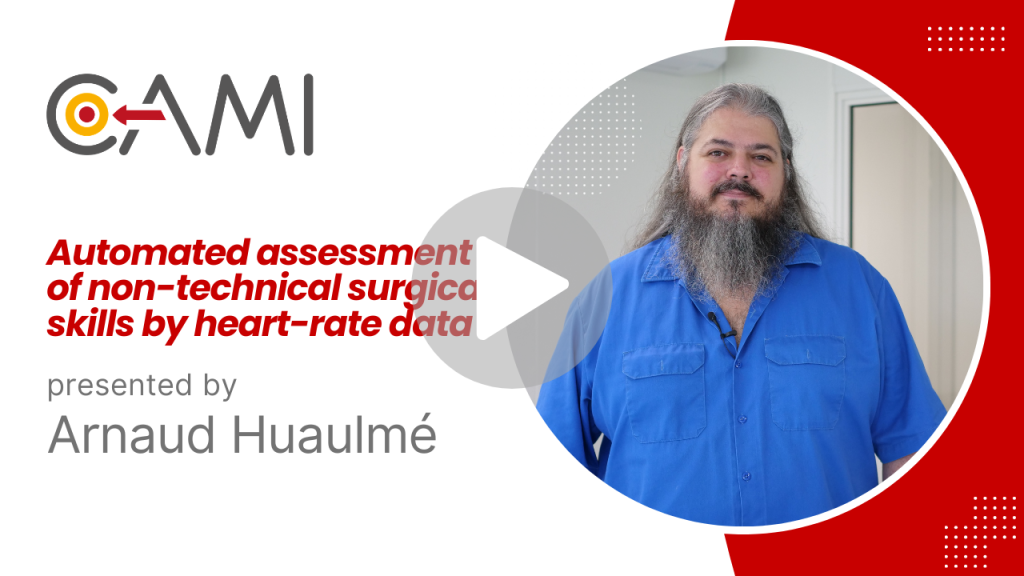
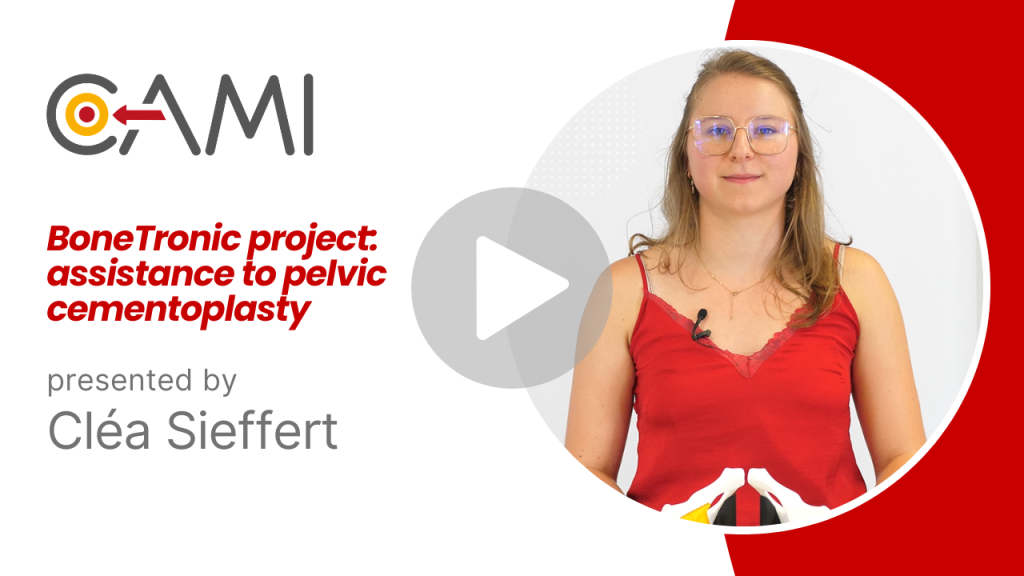
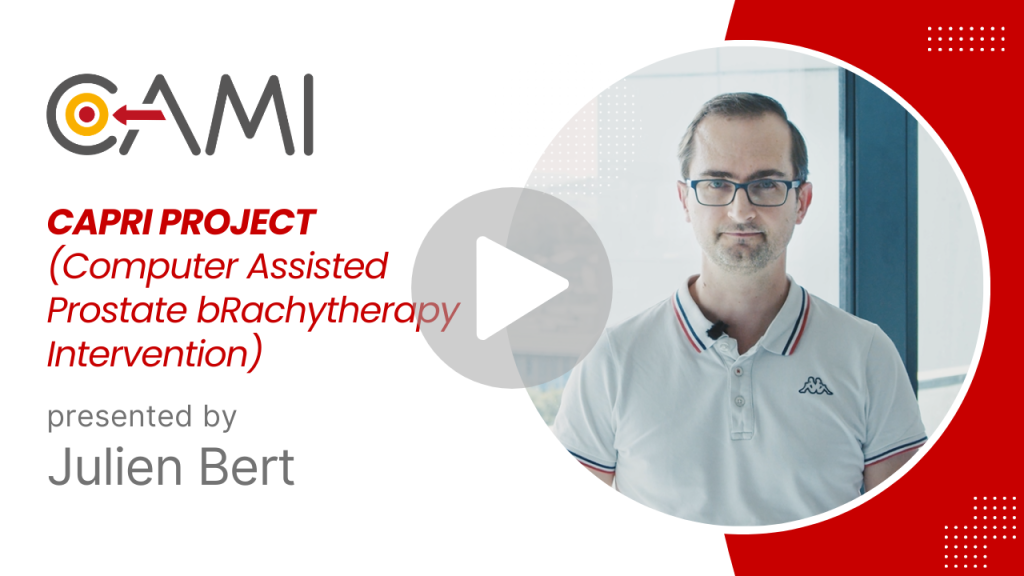
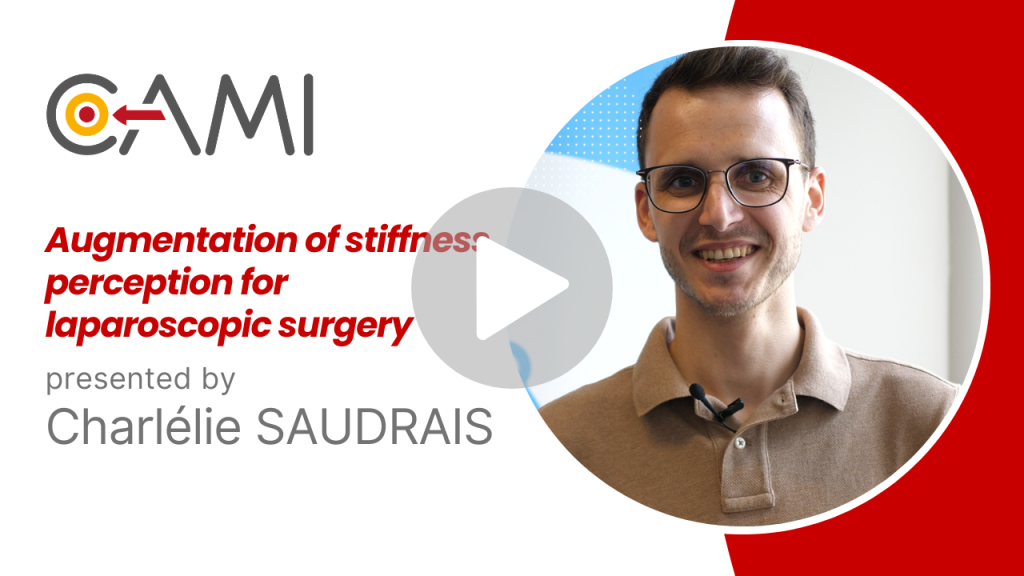
As part of the final CAMI Labex event, we produced a series of short videos highlighting research projects that shaped the Labex’s final years, and that you can view here.
HUMAN RESSOURCES
PhD program
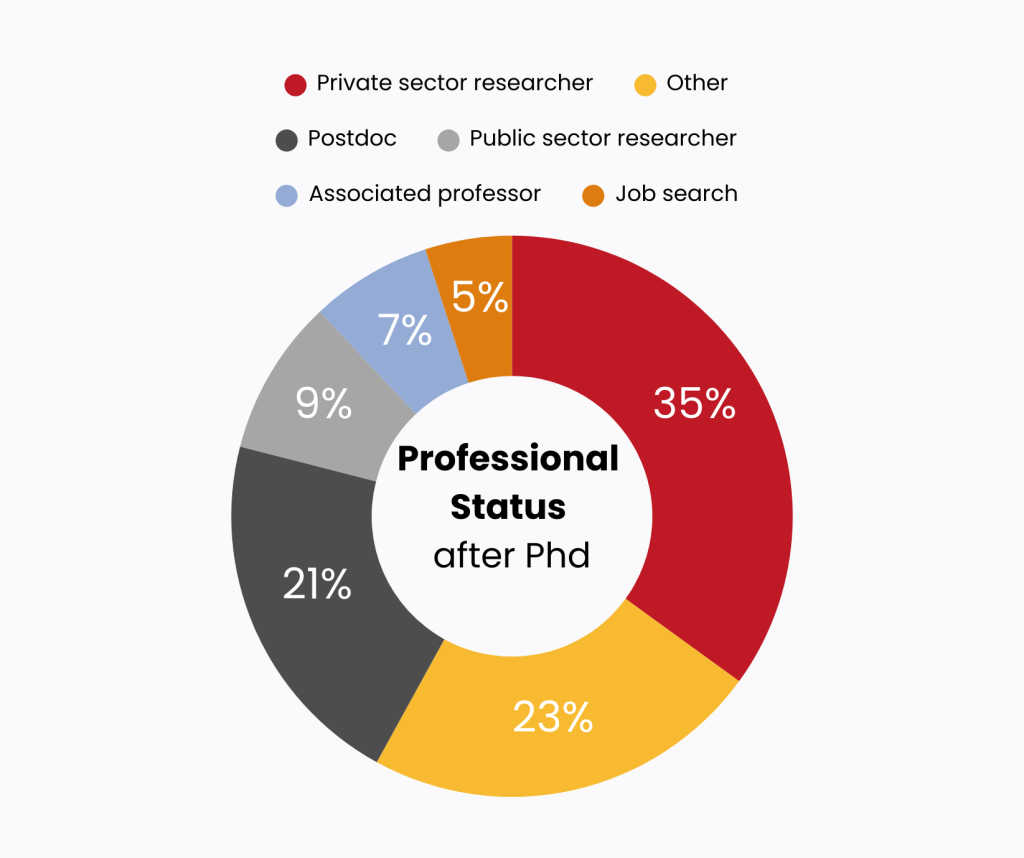
The recruitment of 38 postdocs and 57 co-supervised PhDs was a cornerstone of CAMI’s success, forging six partner laboratories into a unified research community.
SUPPORT TO COLLABORATIVE TOOLS
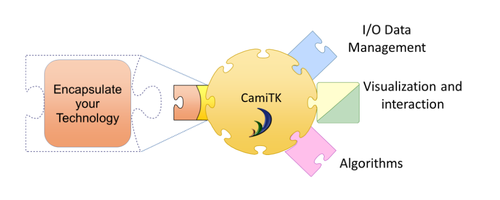
Computer Assisted Medical Intervention Tool Kit
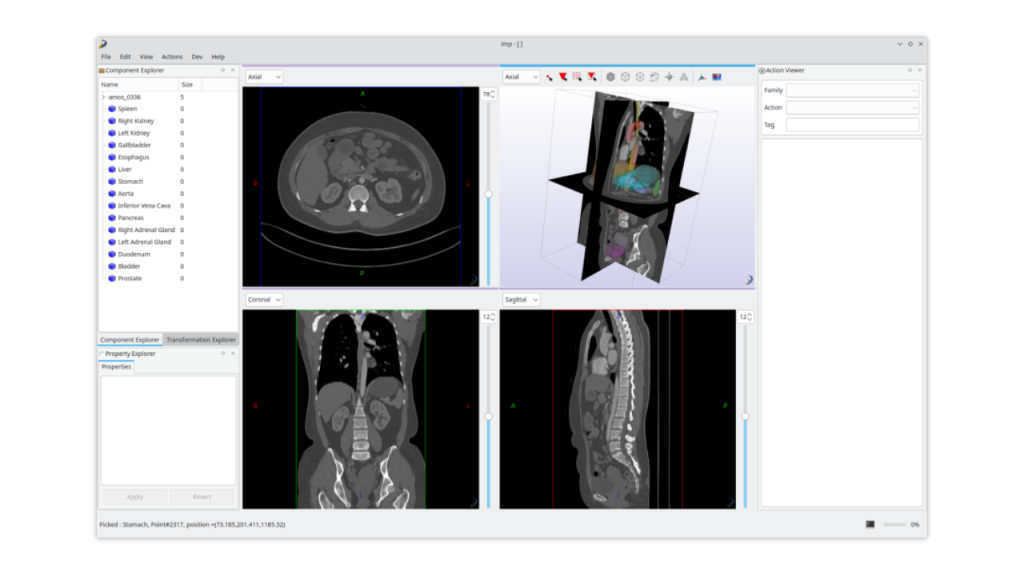
CamiTK helps researchers and clinicians to easily and rapidly collaborate in order to prototype CAMI applications, that feature medical images, surgical navigation and biomechanical simulations.
Modeling and Monitoring of Computer Assisted Medical Interventions
M2CAMI was a working group dedicated to Modeling and Monitoring of Computer Assisted Medical Interventions within the CAMI Labex. It aimed at unifying data acquired from different surgical trainers and procedures for collaborative research. We proposed a generic structure for multi-modal dataset that allows faster development and easier processing. With such formalization, our objective was to go beyond the state of the art by sharing various types of data between international institutions and merge methodological approaches for better detection and understanding of surgical workflows.
SCIENTIFIC ANIMATIONS
Organization of CAMI Days
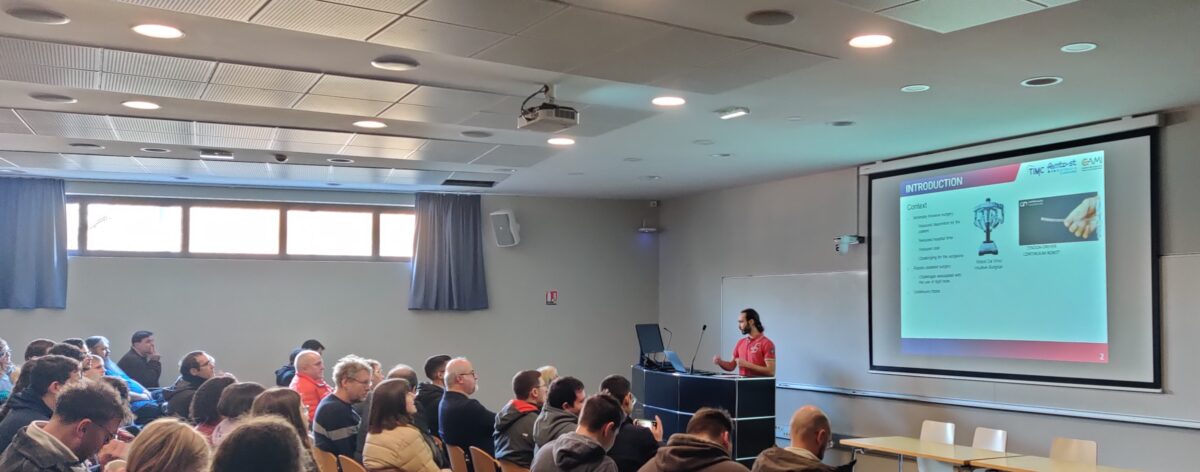
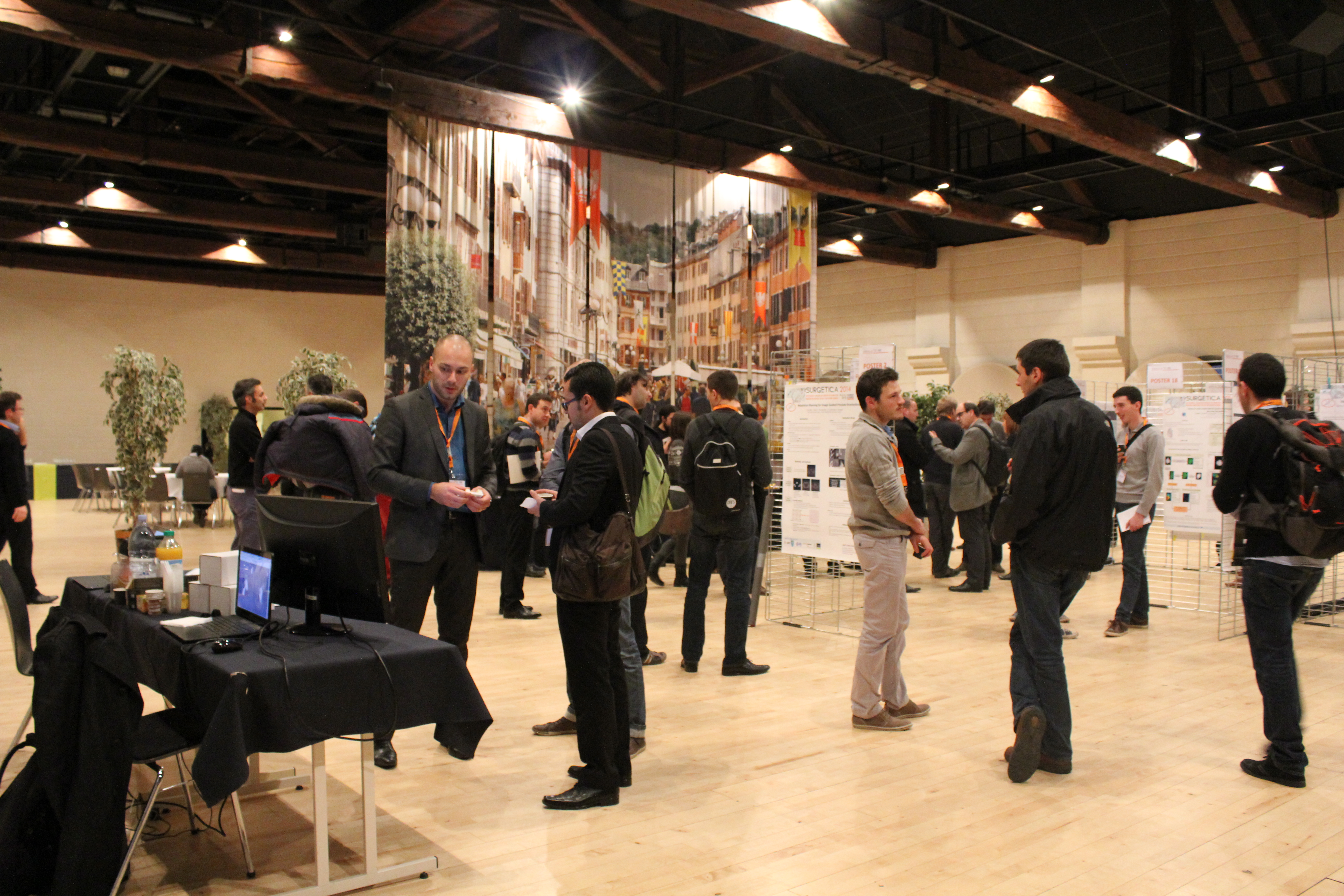
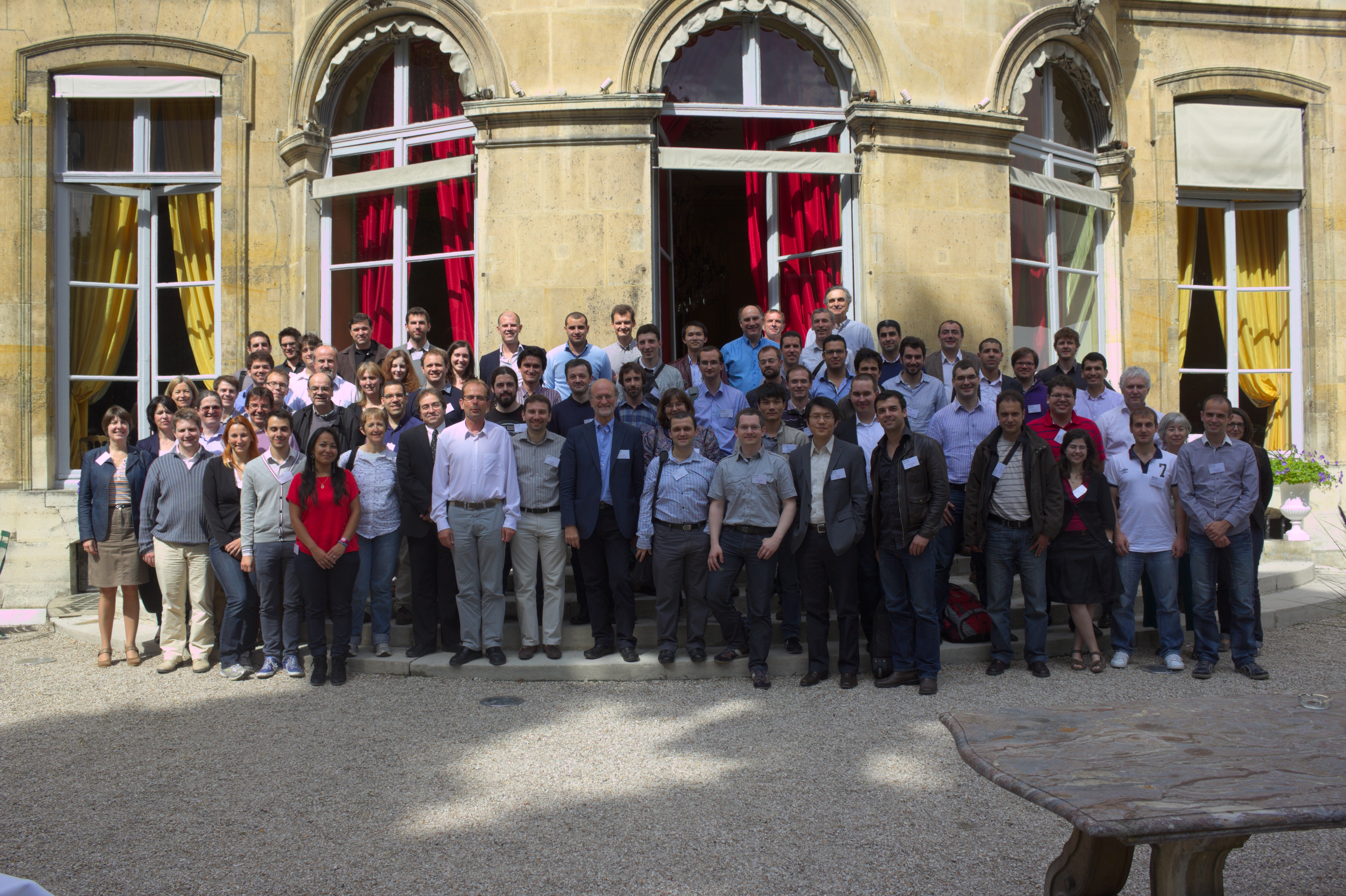
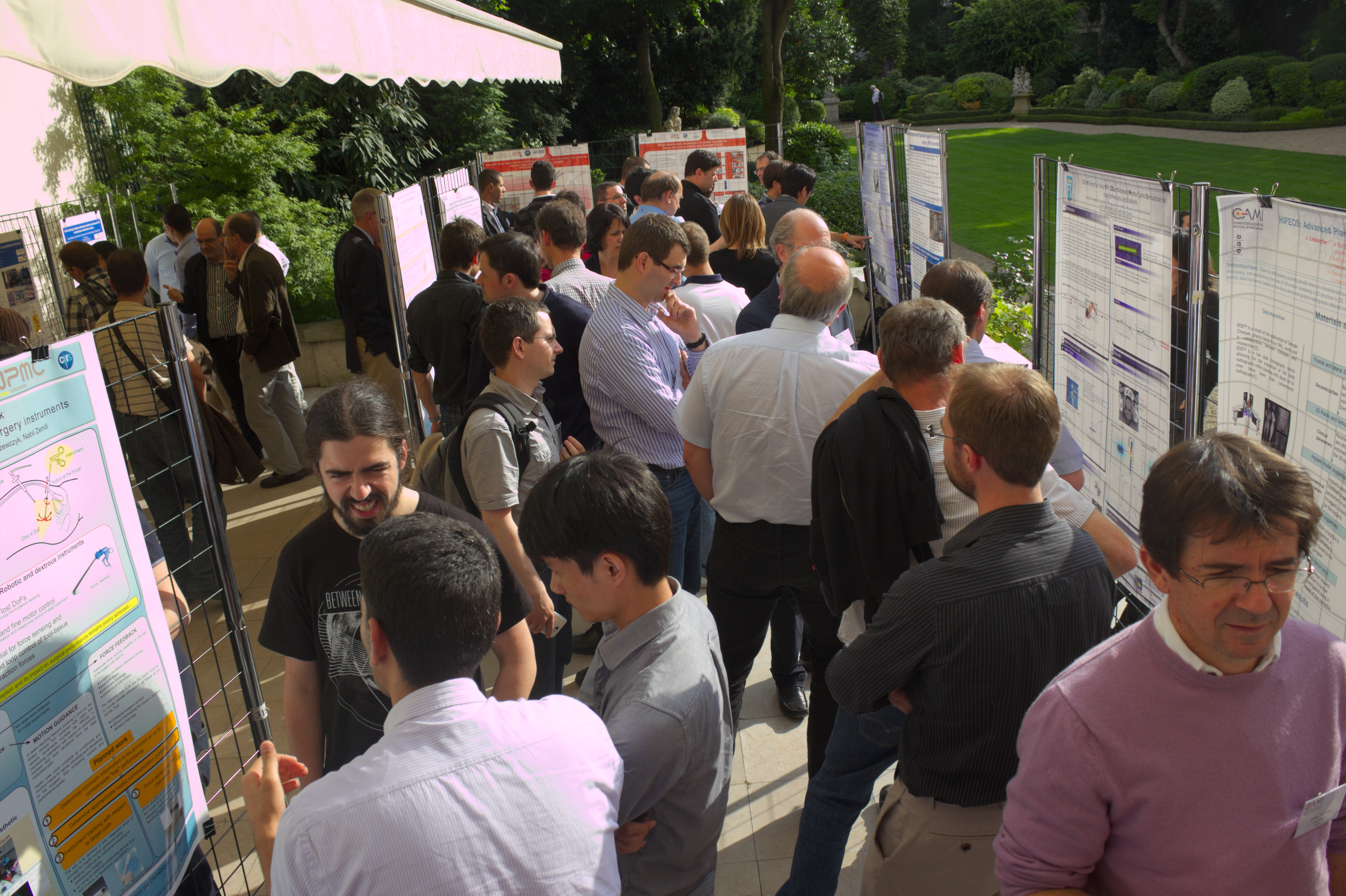
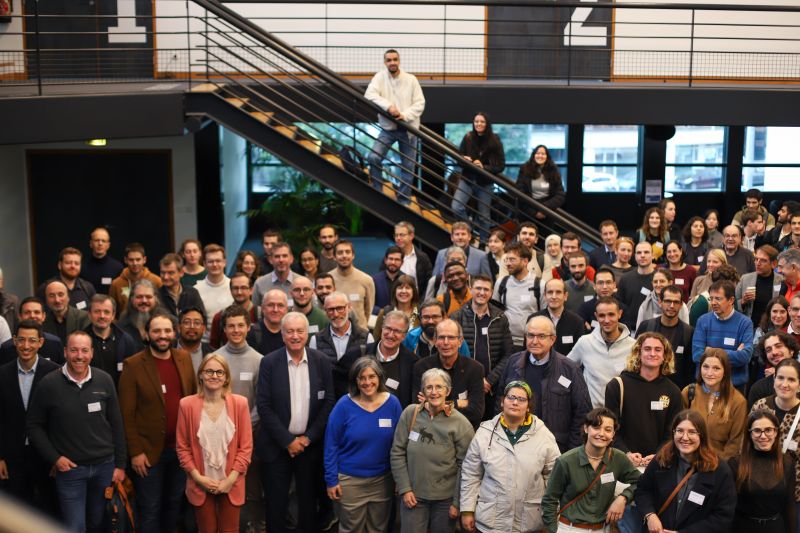
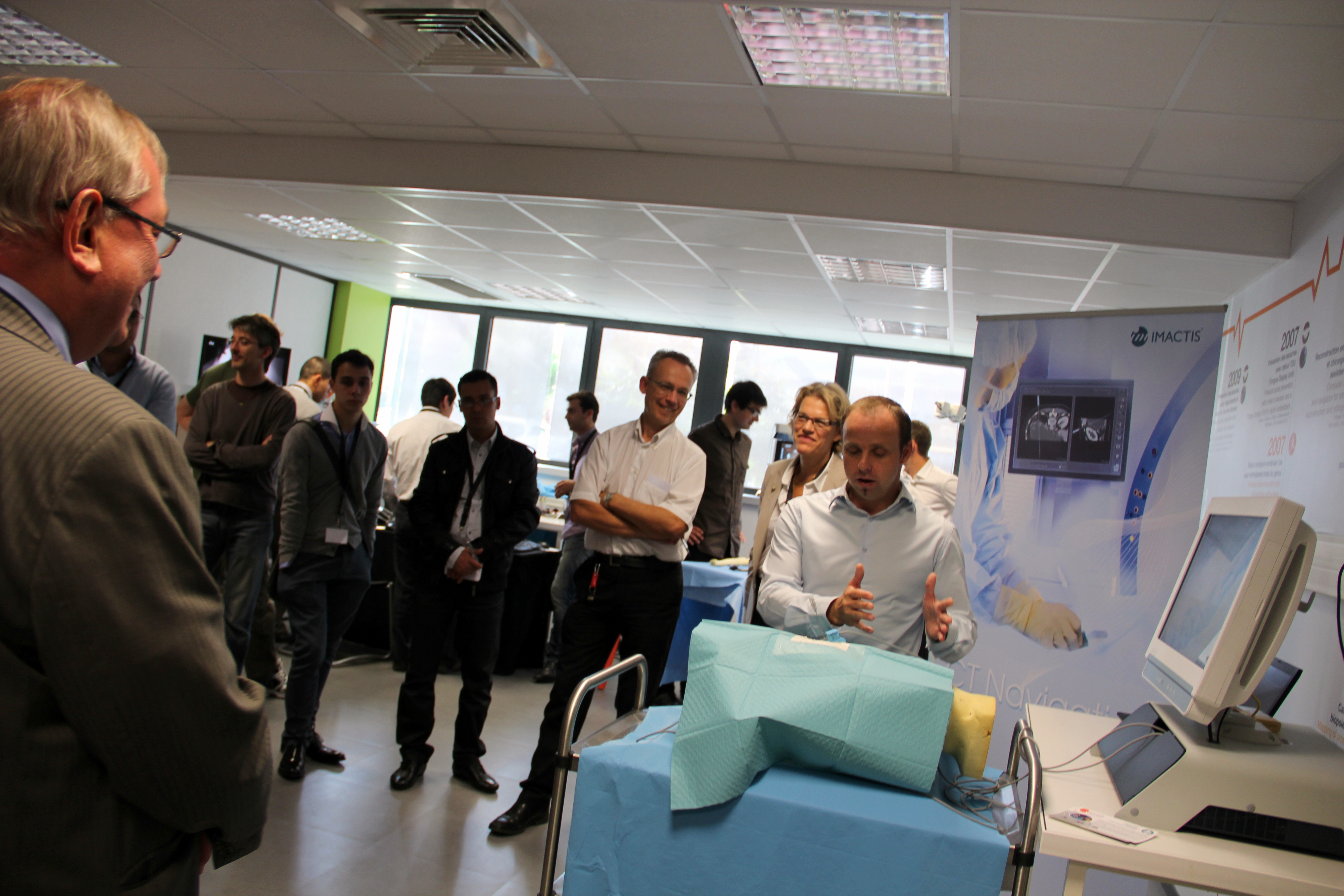
Scientific animations within the program included the organization of 13 “CAMI Days” events.
Held once a year by a CAMI partner, these events took place either as closed meetings or in conjunction with the Surgetica conference.
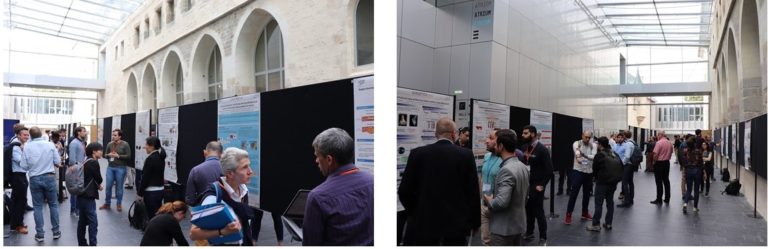
Each edition featured student posters and presentations, invited keynote speakers, and active outreach through the website and social media channels.